

Trenchless pipe lining has become a reliable method for repairing underground sewer systems without digging up large portions of a property. The process involves inserting a liner coated with resin into the existing pipe to create a durable new surface. For property owners looking into sewer repair in Wharton, NJ, knowing whether this approach is suitable depends on the condition of the existing pipe, the type of damage, and long-term goals for the system.
What Damage Makes a Sewer Line Suitable for Pipe Lining?
Not every type of damage is right for trenchless pipe lining, but many common issues are. This sewer pipe line repair process is highly effective for pipes with small cracks, minor root intrusion, or those that have become slightly corroded over time. When a pipe has a few hairline fractures but is otherwise stable, pipe lining can seal those openings and restore its structural integrity. The new inner pipe creates a smooth surface, which improves water flow and helps better prevent blockages.
When is Trenchless Lining NOT the Right Solution?
While trenchless pipe lining is an excellent choice for many situations, it’s not a miracle cure for all sewer problems. The method is not ideal for pipes that have collapsed or have significant sections missing. If a pipe is crushed, completely misaligned, or has large gaps, lining won’t be able to form a new, stable pipe inside. In these cases, a full sewer line replacement is likely needed to ensure the system is functional and safe.
A comprehensive sewer camera inspection conducted by the trenchless repair specialists will confirm the extent of the damage and determine the best course of action.
Can Trenchless Lining Be Used on All Types of Pipes?
Trenchless lining is effective for a wide range of materials, including clay, cast iron, PVC, and concrete pipes. It creates a seamless, durable pipe within the existing structure. This process makes it a versatile option for older homes and commercial properties. A certified technician can quickly assess your current pipe material and its condition to see if it’s compatible with the lining process. This flexible application makes trenchless technology a solution recommended by providers of sewer repair services.
Is Trenchless Pipe Lining Cheaper Than Traditional Repair?
While the initial cost of trenchless lining can sometimes be higher than a traditional spot repair, it often saves money in the long run. The absence of extensive digging means you avoid the high costs of landscape restoration, driveway repaving, or replacing sidewalks. The long-term durability of the new liner can also reduce the need for frequent or recurring sewer line repair.
FAQs
Q: How long does a relined pipe last?
A: A professionally installed trenchless pipe lining can last for 50 years or more. It’s a long-term solution that improves the pipe’s strength and prevents extensive leaks and root problems.
Q: Is trenchless lining safe for older clay or cast iron pipes?
A: Yes, many older materials can be lined if they are not completely collapsed. A professional inspection determines eligibility.
Q: Can trenchless lining be used for both residential and commercial properties?
A: Yes. The method works well for both home and business systems, as long as the pipe is stable enough to support a liner.
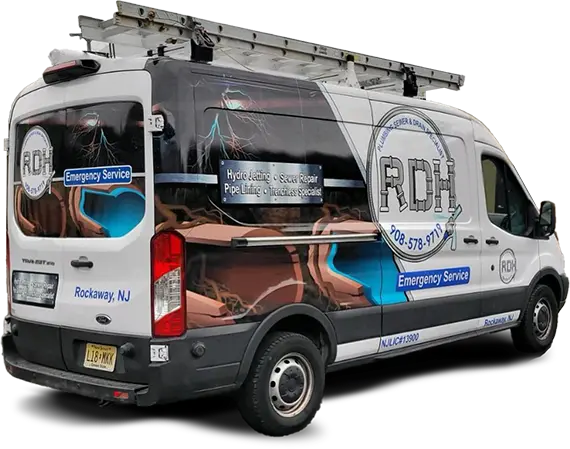
Trenchless pipe lining can save time and protect property when the conditions are right. RDH Plumbing, Sewer & Drain Specialist provides local expertise backed by Nu-Flow and Pow-R Mole certification, serving both residential and commercial clients. Our team offers 24/7 emergency services, ready to handle any sewer-related challenge. Call us today to request a service visit.
Efficient Residential & Commercial Plumbing Services!
We make residences and businesses comfortable again.
Schedule service